狼牙
国安部披露一起泄密事件_我的网站

一 |
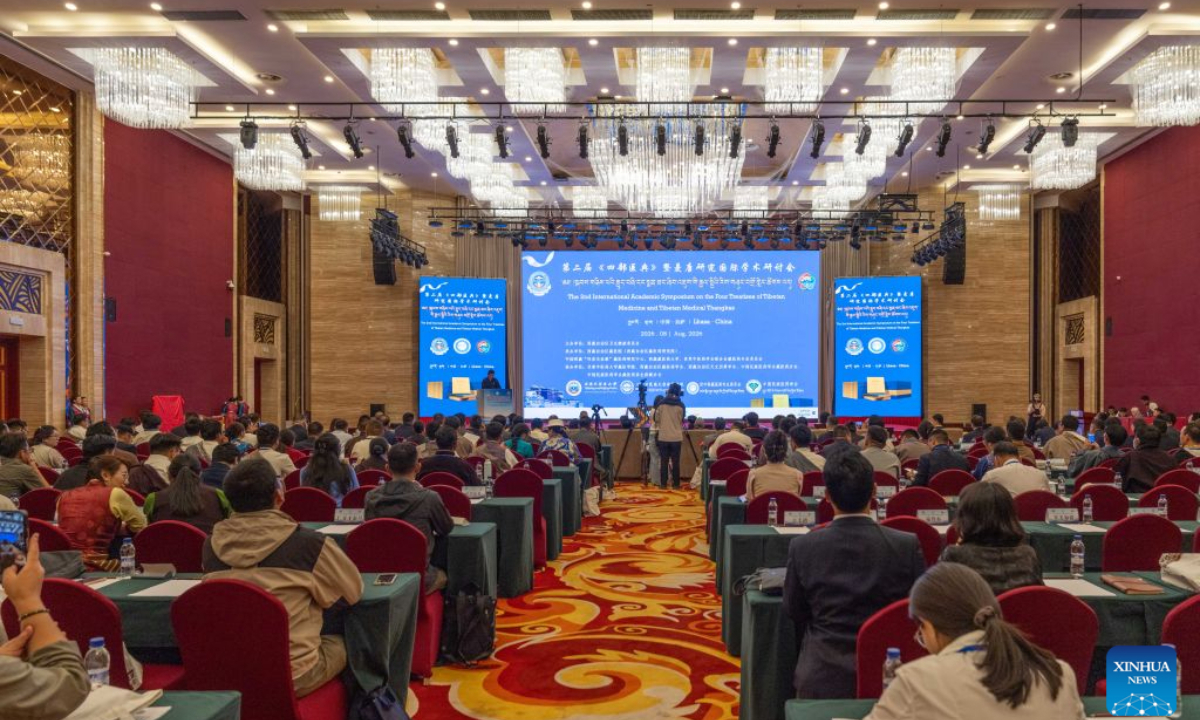
The second international academic symposium on "The Four Treatises of Tibetan Medicine" and Tibetan medical thangkas is held in Lhasa, southwest China's Xizang Autonomous Region, Aug. 20, 2026. An international symposium opened in southwest China's Xizang Autonomous Region on Thursday to shed light on the growing global interest in traditional Tibetan medicine and its visual illustrations drawn on thangkas. Held in the regional capital Lhasa, the second international academic symposium on "The Four Treatises of Tibetan Medicine" and Tibetan medical thangkas brought together more than 200 experts from China, Britain, Germany, Austria, Mongolia and Nepal. Discussions centered on the historical evolution of the classic treatises, the iconographic interpretation of Tibetan medical thangkas, and pathways for modern clinical application and international cooperation. Written between the 8th and 12th centuries, "The Four Treatises of Tibetan Medicine" is the most influential foundational work on traditional Tibetan medicine. It was inscribed on the UNESCO Memory of the World Register in 2023. Based on the work, the 80-scroll Tibetan medical thangkas serve as a visual teaching complement, covering diagnostics, pharmacology, preventive care and medical ethics. The medical thangkas were added to China's national documentary heritage list also in 2023. (Xinhua/Tenzing Nima Qadhup)An international symposium opened in southwest China's Xizang Autonomous Region on Thursday to shed light on the growing global interest in traditional Tibetan medicine and its visual illustrations drawn on thangkas.
Held in the regional capital Lhasa, the second international academic symposium on "The Four Treatises of Tibetan Medicine" and Tibetan medical thangkas brought together more than 200 experts from China, Britain, Germany, Austria, Mongolia and Nepal.
Discussions centered on the historical evolution of the classic treatises, the iconographic interpretation of Tibetan medical thangkas, and pathways for modern clinical application and international cooperation.
At the symposium, a research center for Tibetan medical thangkas was inaugurated.
Written between the 8th and 12th centuries, "The Four Treatises of Tibetan Medicine" is the most influential foundational work on traditional Tibetan medicine. It was inscribed on the UNESCO Memory of the World Register in 2023.
Based on the work, the 80-scroll Tibetan medical thangkas serve as a visual teaching complement, covering diagnostics, pharmacology, preventive care and medical ethics. The medical thangkas were added to China's national documentary heritage list also in 2023.
Among the participants was Katharina Anna Sabernig, a lecturer from the Medical University of Vienna, Austria, who first encountered Tibetan medical murals at Labrang Monastery in Gansu Province in 1994. She later returned and began delving deeper into the works.
"I saw these murals and I started to get deeper and deeper and to understand all this," Sabernig recalled.
Mary Caroline Wyatt, a scholar with dual British-Greek citizenship, began collaborating on an English translation of texts about Tibetan medical thangkas last September. She noted that complete English versions have long been scarce.
"Our translations target professional readers so that we preserve many specialized, traditional terms," said Wyatt.
The event was hosted by the regional health commission and co-organized by the regional Tibetan medicine hospital and Xizang University of Tibetan Medicine.
Xizang has formulated and implemented a series of policies on promoting Tibetan medicine and encouraging innovation. According to a government white paper released last year, the region has 51 public Tibetan medicine institutions, employing 5,287 professionals and operating 3,260 beds, up from 28 institutions, 2,232 professionals and 1,364 beds in 2012.
In April, China rolled out its first national recommended standard for ethnic-medicine disease classification and codes for Tibetan medicine.
Tsering, president of the regional Tibetan medicine hospital, said inscriptions on the UNESCO Memory of the World Register and China's national documentary heritage list have brought Tibetan medicine to a broader global audience.
"We will make the most of these opportunities to promote academic exchanges and clinical collaboration worldwide," Tsering said.
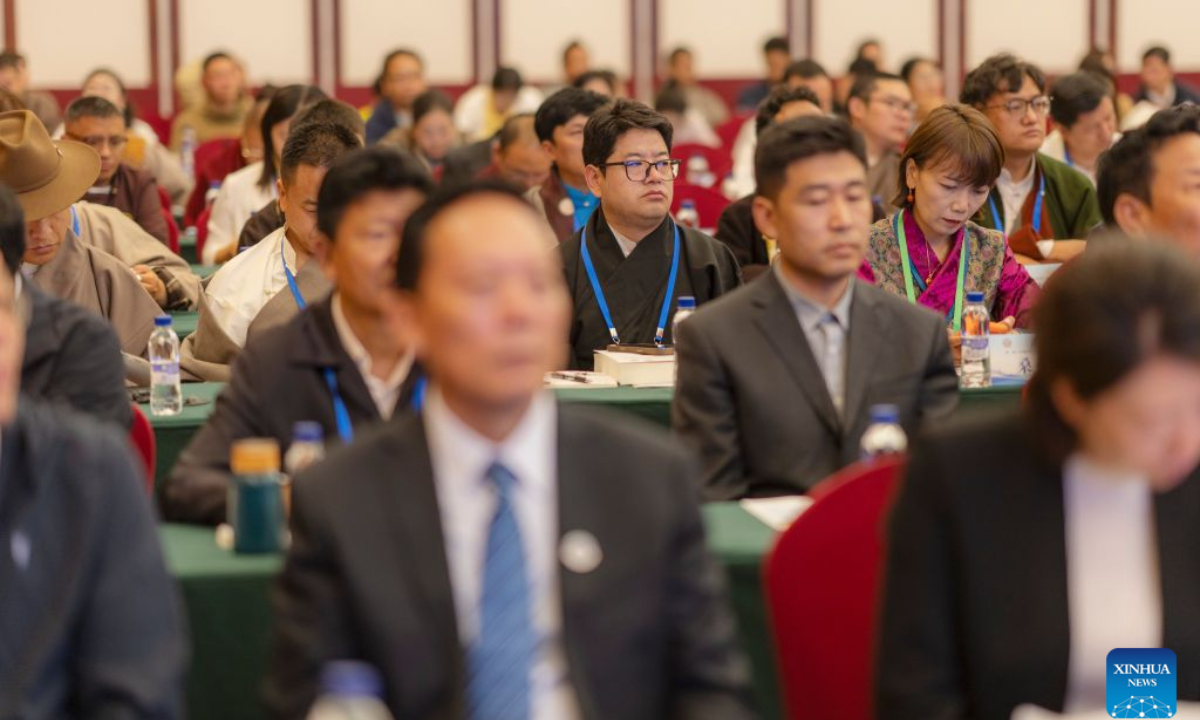
This photo taken on Aug. 20, 2026 shows a scene of the second international academic symposium on "The Four Treatises of Tibetan Medicine" and Tibetan medical thangkas in Lhasa, southwest China's Xizang Autonomous Region. (Xinhua/Liu Zhoupeng)
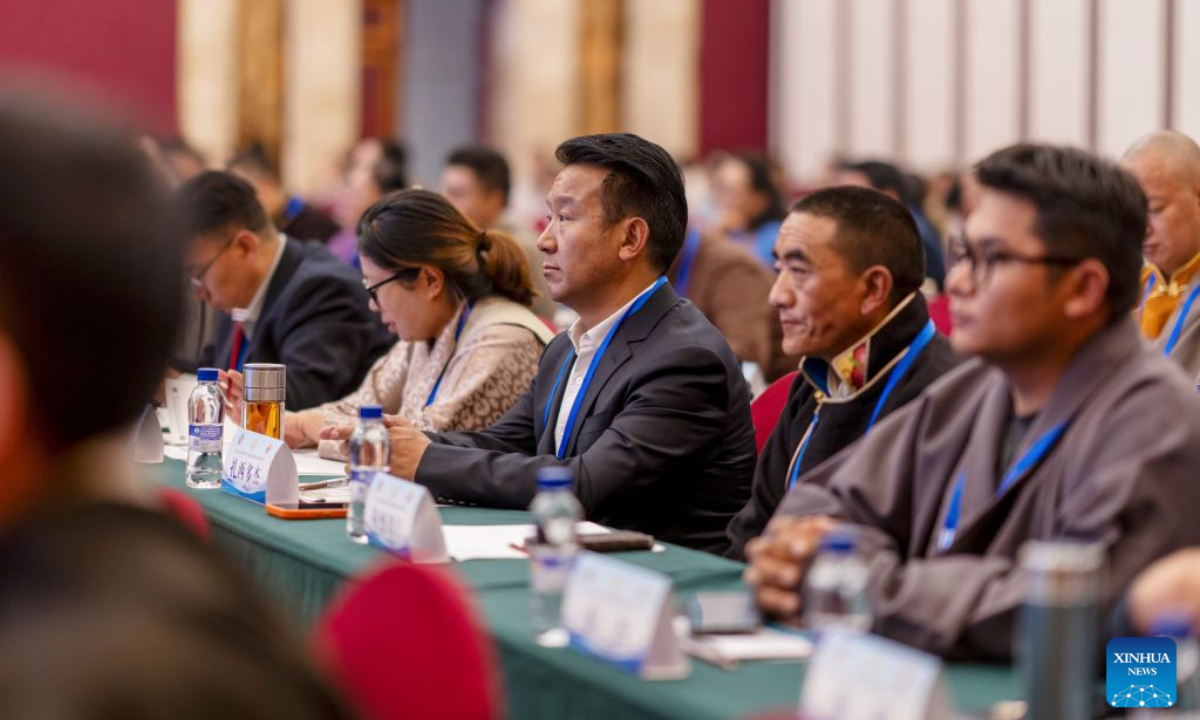
This photo taken on Aug. 20, 2026 shows a scene of the second international academic symposium on "The Four Treatises of Tibetan Medicine" and Tibetan medical thangkas in Lhasa, southwest China's Xizang Autonomous Region. (Xinhua/Tenzing Nima Qadhup)
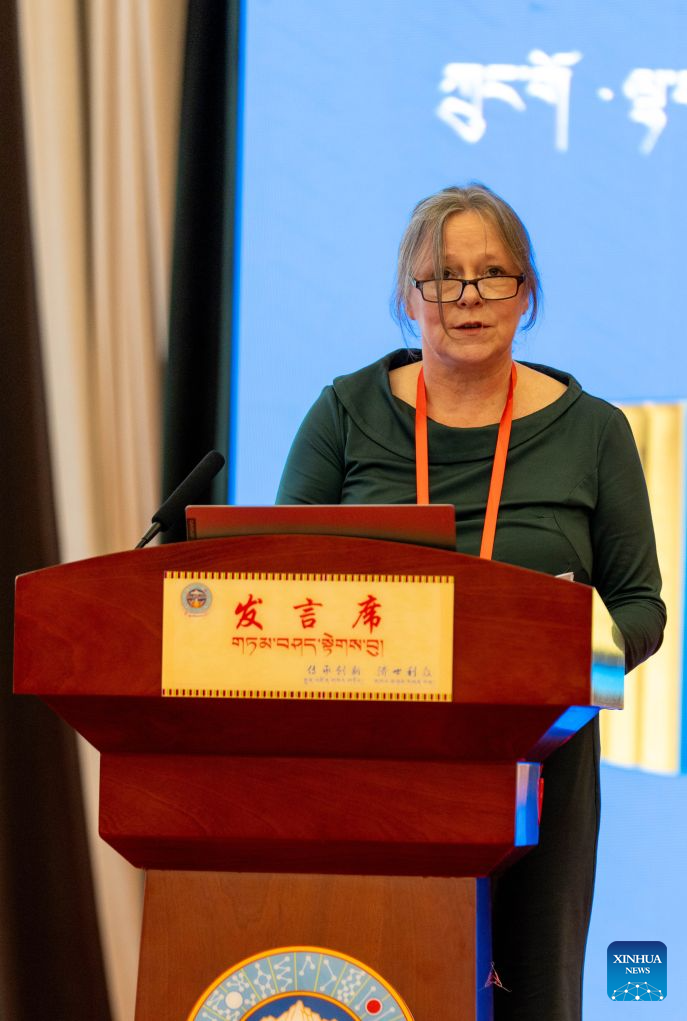
Katharina Anna Sabernig from the Medical University of Vienna, Austria, delivers a speech at the second international academic symposium on "The Four Treatises of Tibetan Medicine" and Tibetan medical thangkas in Lhasa, southwest China's Xizang Autonomous Region, Aug. 20, 2026. (Xinhua/Tenzing Nima Qadhup)
。 近日,国家安全机关在侦办某反间谍工作案件时,依法向某单位进行司法查询。该单位经办人员李某发现被查询对象是自己认识的人,自以为出于好心,想着给对方送个人情,便私自向被调查对象发送了查询截图,其中涉及部分敏感信息,可能对案件侦办造成不良影响。由于国家安全机关处置及时,消除了相关影响。国家安全机关依法对李某给予行政警告处罚,并将行政处罚决定通报其所在单位,建议其所在单位给予相应内部处分。在国家安全机关干警的严肃教育下,李某深刻认识到自己故意泄露反间谍工作国家秘密的错误违法行为。

二 | 这起泄密事件的发生,也暴露了李某所在单位落实反间谍安全防范工作的主体责任不到位,在敏感系统管理、保密安全防范等制度落实上存在失职失责,反间防谍和失泄密隐患突出。对李某作出行政处罚决定后,国家安全机关依法对李某所在单位进行了反间防谍安全风险提醒和责令整改,并与有关部门联合发文压实责任,要求进一步明确做好涉国家安全等有关工作司法查询的保密工作。国家安全机关提示反间防谍工作,不仅需要国家安全机关发挥专门作用,还需要全社会的广泛动员、共同参与。公民或者组织都有可能因配合国家安全机关工作等原因了解到有关国家秘密、工作秘密,相关知密人员应当履行法律规定的义务,严格保守秘密,绝不能自以为只是透露点消息、卖个人情的小事,因小失大,对国家安全造成危害。——配合开展工作,严守国家秘密。《中华人民共和国反间谍法》规定,任何公民和组织都应当依法支持、协助反间谍工作,保守所知悉的国家秘密和反间谍工作秘密。泄露有关反间谍工作的国家秘密,构成犯罪的,依法追究刑事责任;尚不构成犯罪的,由国家安全机关予以警告或者处十日以下行政拘留,可以并处三万元以下罚款。

三 | ——加强教育管理,共筑安全防线。《中华人民共和国反间谍法》规定,国家机关、人民团体、企业事业组织和其他社会组织承担本单位反间谍安全防范工作的主体责任,落实反间谍安全防范措施,对本单位的人员进行维护国家安全的教育,动员、组织本单位的人员防范、制止间谍行为。来源:国家安全部微信公众号。
Current article:http://4evvo.shangfochengcongshuaizhuang.buzz/news/20260826_6108585.html
Published on:11:46:09

 微信
微信 移动端
移动端